



What Causes Tongue Thrust
Tongue thrust may develop due to a combination of genetic and environmental influences. Early childhood habits frequently contribute to its occurrence. Common causes include:

Types of Tongue Thrust
Tongue thrust can impact dental health and alignment in various ways. The most frequent form involves the tongue pushing forward, which can cause gaps between teeth and disrupt their alignment. Additionally, pressure from the sides of the tongue may occur, potentially leading to crossbites or uneven tooth wear. Proper treatment plans tailored to the specific type are essential to address these issues effectively.
Symptoms and Diagnosis
A professional evaluation is essential to diagnose tongue thrust. Typical indicators include visible gaps between teeth, bite irregularities, or atypical swallowing habits. During the assessment, experts carefully examine tongue positioning while at rest, speaking, and swallowing to determine the condition and its level of severity.

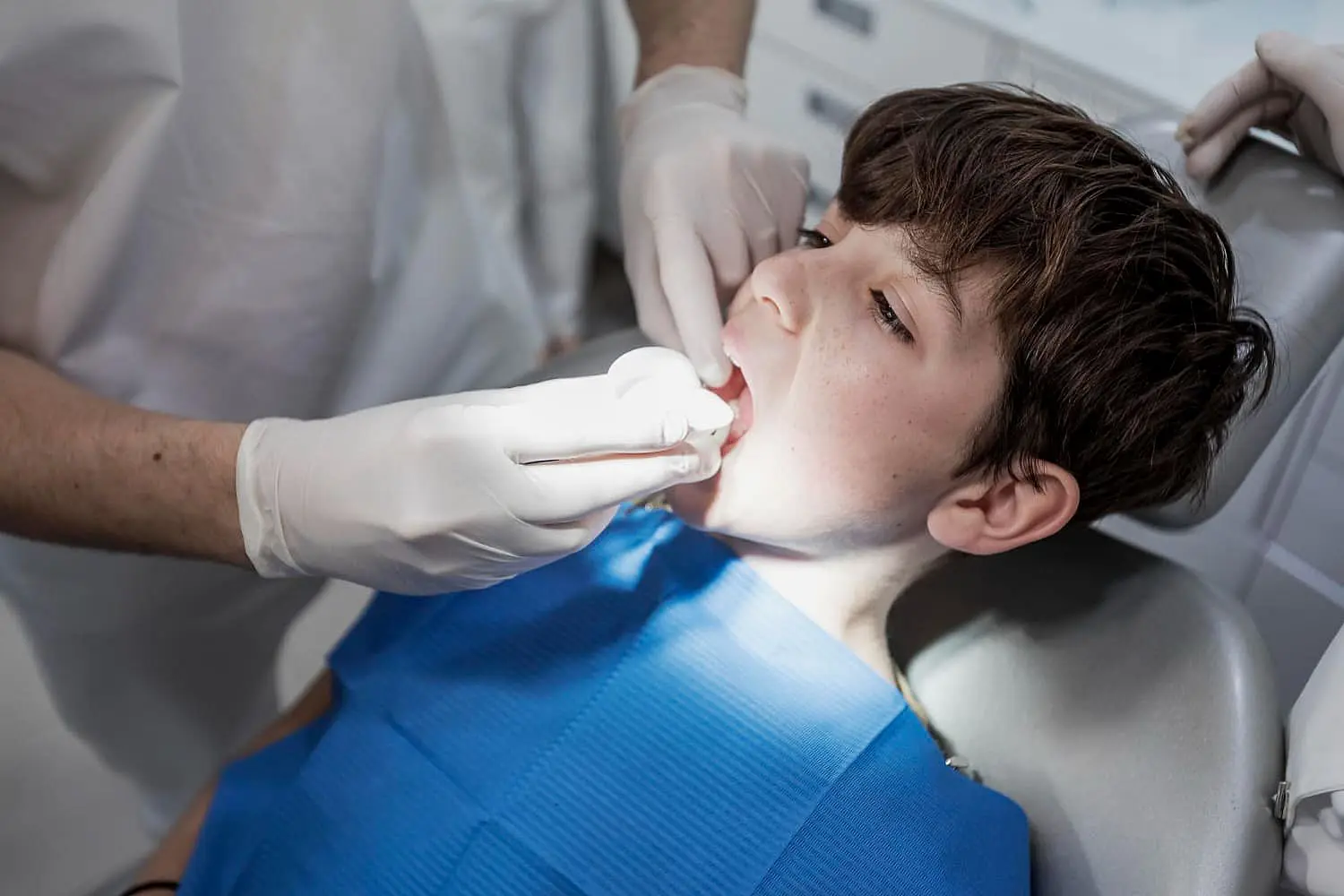
Tongue Thrust in Children
Identifying tongue thrust at an early age is important for children. By the time they reach age 7, a professional evaluation can help prevent significant developmental issues later on. If untreated, it can affect dental growth and require more complex treatments in the future.
Treatment Options for Tongue Thrust
Treatment focuses on improving tongue position and function with customized therapy programs. Strategies for behavioral adjustments and tailored treatment plans are designed to suit each person’s specific needs. Early detection and consistent practice of recommended exercises or treatments yield the most effective results.
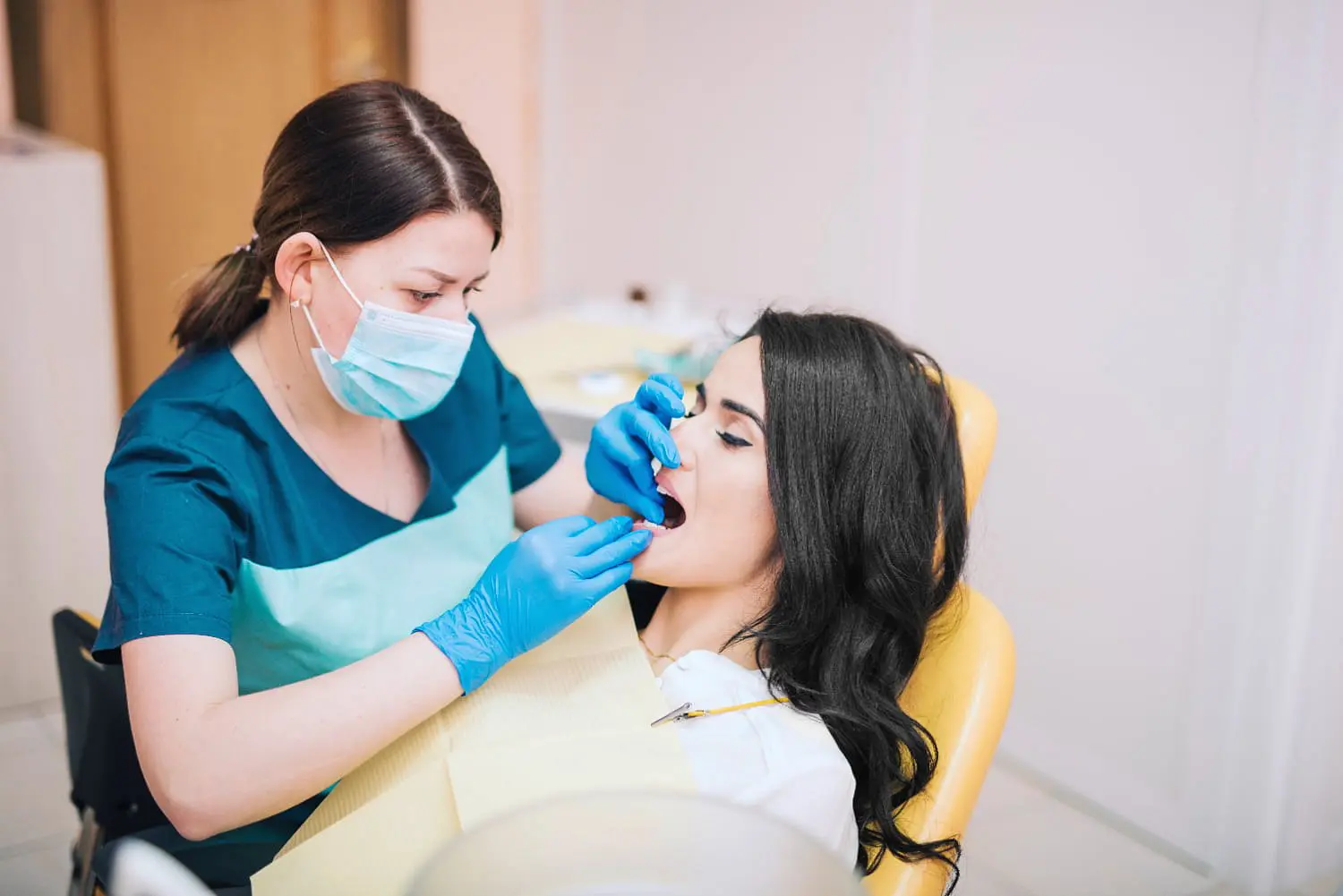
Myofunctional Therapy for Tongue Thrust
This therapy focuses on fixing how the tongue moves and making oral muscles stronger. Targeted exercises are used to teach correct swallowing techniques and proper tongue positioning. Consistent practice along with expert guidance is essential for lasting success.


Long-Term Management and Prognosis
Successfully managing tongue thrust requires commitment to ongoing care and consistency. Regular follow-up appointments are critical for monitoring progress and ensuring lasting results. With proper treatment and consistent practice of recommended exercises, patients often see significant improvements in oral function and dental alignment.