

Wondering how to get braces glue off teeth in Overland Park, KS? After your braces are removed, it’s common to notice a bit of leftover adhesive on your teeth. This glue, also called bonding adhesive, is made to stay strong through eating, brushing, and everyday activities. That’s why getting it removed the right way matters.
Keep reading to learn why braces glue is tough to remove, what professional removal methods look like, and why trusting experts ensures safe, polished teeth.
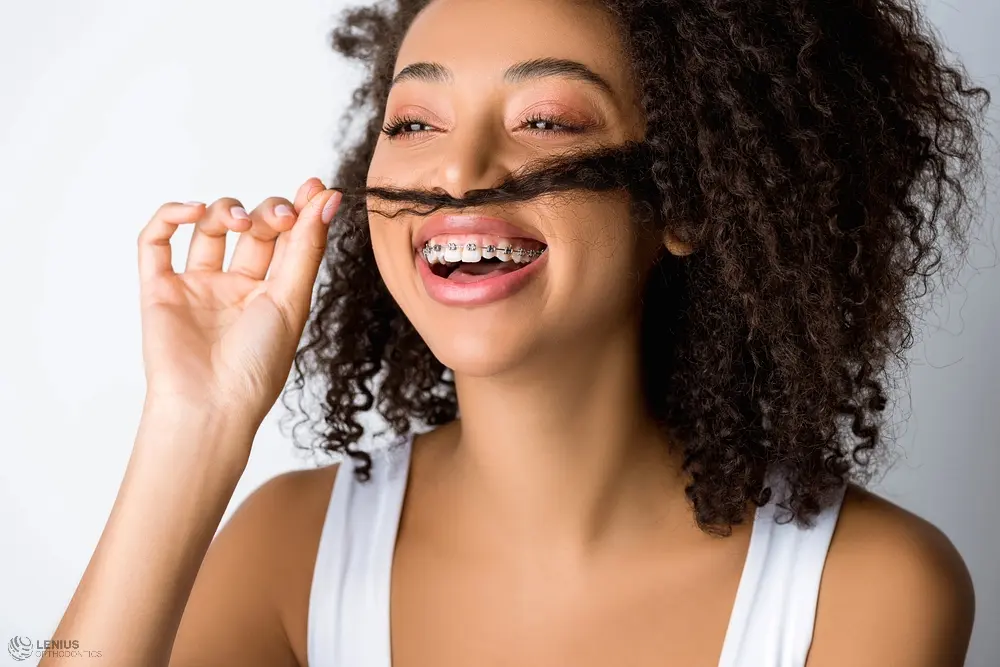
What Is Braces Glue (Orthodontic Adhesive)?
Braces glue, or orthodontic adhesive, is a strong material that keeps brackets attached to your teeth. It ensures your braces work properly throughout treatment. The adhesive is made to handle chewing, speaking, and cleaning without coming loose.
When it’s time for the braces removal process, your orthodontist uses precision removal tools, diamond burs, and pumice to lift adhesive safely. These professional tools protect the tooth surface from enamel scratches or damage. With expert care, the glue removal process leaves teeth smooth, clean, and ready for long-term oral hygiene.
Why Is Glue Removal So Hard?
Braces glue is strong on purpose, it keeps brackets in place for months or even years. This strength also makes removal challenging. Even after your braces come off, a thin layer of adhesive residue often remains on the enamel, which is why home methods can be risky and ineffective.
Trying DIY removal methods can lead to:
- Enamel scratches or damage
- Adhesive residue that traps plaque and bacteria
- Gum irritation and tooth sensitivity
Professional adhesive removal ensures tooth safety. Using specialized polishing paste and professional removal methods, orthodontists can remove glue thoroughly without harming enamel. This process also helps prevent staining and keeps teeth smooth.
Why Not Remove Braces Glue at Home?
It might be tempting to scrape off glue yourself, but home techniques carry real risks. Here’s why professional care is safer:
1. Tooth Enamel Damage
Using knives, needles, or scissors can permanently scratch enamel. Damage leads to sensitivity, pain, and higher risk of cavities. Over time, enamel damage increases the risk of cavities and other dental problems. According to Dr. Cara Piskai, a local orthodontist in Voorhees, NJ, once enamel is worn or scratched, it does not grow back, so it is much safer to let a trained expert remove the glue.
2. Leftover Adhesive Residue
DIY removal often fails to remove all glue. Any remaining residue creates rough spots where plaque builds up, leading to decay and gum issues. This can lead to tooth decay, gum irritation, and complications in your oral hygiene routine.
3. Increased Sensitivity
Harsh scrubbing, baking soda paste, or strong chemicals can irritate gums and make teeth sensitive to hot and cold foods. Using these home methods without caution can worsen discomfort and slow healing after braces removal.
4. Unproven Home Remedies
Some people use lemon juice, vinegar, or strong cleaning agents. These are unsafe for teeth, can wear away enamel, irritate gums, and cause long-term sensitivity. They may also irritate gums and cause long-term tooth sensitivity or damage.
5. Higher Risk for Broken Teeth or Fillings
Scraping or pulling glue at home can loosen fillings or damage dental restorations. Even minor cracks can lead to bigger problems over time. Professional care uses safe techniques to minimize these risks and protect your tooth structure.
Common Mistakes to Avoid During Glue Removal
Even after reading about risks, some people try unsafe methods. Use caution and avoid these mistakes:
- Never use sharp tools like scissors, needles, or metal picks.
- Avoid harsh chemicals such as lemon juice, vinegar, or undiluted baking soda.
- Don’t use whitening toothpaste immediately after braces removal; it can irritate sensitive teeth.
- Don’t scrub too hard or for too long.
- Avoid any DIY removal methods that promise quick results, these can compromise tooth safety.
How Professionals Remove Braces Glue
At Lenius Orthodontics, the glue removal process is safe, gentle, and effective. Dr. Yajun Cui, a trusted family orthodontist in Arlington, MA, follows the same safe steps in her own practice so patients can leave with clean, smooth teeth and less worry. Your orthodontist uses precision removal tools, diamond burs, pumice, and polishing paste to lift adhesive from the tooth surface.
This method protects enamel, prevents enamel scratches, and avoids complications like gum irritation, tooth sensitivity, or staining. Polishing procedures remove adhesive residue completely, leaving teeth smooth and clean. Most patients feel only mild pressure, no pain. Afterward, your teeth are polished, residue-free, and ready for proper oral hygiene routines.
What to Do After Glue Removal
After your appointment, your teeth may feel a little different, but this is normal. Follow these tips to maintain healthy teeth:
1. Brush and Floss Gently
Use a soft-bristle toothbrush and fluoride toothpaste. Brush twice daily and floss at least once. If flossing is tricky, a water flosser is very helpful. Gentle brushing helps maintain your tooth surface and supports long-term oral hygiene.
2. Rinse with Saltwater
A saltwater rinse can soothe irritated gums. Mix ½ teaspoon salt in a cup of warm water and swish for 30 seconds. Do this once or twice daily if needed. Saltwater also helps reduce inflammation and cleans areas that are hard to reach with a toothbrush or floss, keeping your gums healthy after the glue removal process.
3. Use Fluoride Mouthwash
Fluoride mouthwash strengthens enamel, protects against plaque, and reduces tooth sensitivity after adhesive removal. Using mouthwash regularly also supports stain removal and reinforces your enamel protection, keeping your teeth smooth, polished, and healthy.
Tips for Keeping Teeth Healthy
Maintain a strong, bright smile by following these steps:
- Stick to a Daily Oral Hygiene Routine: Brush, floss, and rinse daily with fluoride products.
- Eat Smart: Choose healthy foods like leafy greens, yogurt, or cheese. Avoid sticky or sugary snacks that harm teeth.
- Visit Your Dentist Regularly: Schedule dental cleanings and checkups every six months.
- Be Cautious with Whitening: Ask your orthodontist when it’s safe to use whitening products. Avoid whitening immediately after adhesive removal.
- Protect Your Teeth: Wear a mouth guard during sports and follow all orthodontic care recommendations.
What to Expect at Your Lenius Orthodontics Appointment
Here’s how the braces glue removal process works at our Overland Park, KS clinic:
Before Your Appointment
Brush and floss before your visit. Avoid sticky or hard foods the day before. Write down questions about glue removal so your orthodontist can address them.
During Your Appointment
The procedure typically takes 30–45 minutes. Using professional removal techniques, precision removal tools, pumice, and polishing paste, your orthodontist carefully lifts adhesive without harming enamel. Most patients find the process quick, gentle, and comfortable.
After Your Appointment
Follow post-care instructions, including soft brushing and a gentle oral hygiene routine. Stick to soft foods for a day or two. If you notice sensitivity, rough spots, or leftover adhesive residue, contact the clinic for a checkup.

Why Choose Lenius Orthodontics in Overland Park, KS?
At Lenius Orthodontics, patient care, tooth safety, and expertise come first. Our team uses advanced tools and professional removal methods to remove braces glue thoroughly while protecting enamel.
Whether you completed treatment with us or transferred from another clinic, we focus on detailed dental cleaning, enamel protection, and a smooth, stress-free braces removal process.
Your Smooth Smile Starts Here
Ready for your final smile? Schedule your appointment at Lenius Orthodontics in Overland Park, KS today. We are here to help with braces removal, post-care guidance, long-term oral hygiene recommendations, and safe stain removal for a bright, confident smile.
About The Author
Dr. Jeffrey Lenius – Orthodontist in Overland Park, KS
Dr. Cara Piskai – Orthodontist in Voorhees, NJ
Frequently Asked Questions
What age is best to get braces?
There is no single best age for braces. Many children start braces in their early teens, but adult braces are also very common. The best age depends on tooth development, bite issues, and your smile goals. A consultation with an orthodontist can help determine the right timing. Early evaluation allows orthodontists to plan treatment for the most effective results.
Do clear braces stain easily?
Clear braces can stain if oral hygiene is not maintained. The ceramic brackets resist stains, but the elastic ties may discolor from coffee, tea, or dark foods. Regular cleaning, brushing after meals, and routine appointments help keep clear braces looking clean. Using stain-free foods and avoiding colored drinks can help keep your clear braces looking bright.
Will braces affect my daily activities?
Braces may require small changes at first, such as avoiding certain foods and adjusting cleaning habits. Most patients quickly adapt and continue school, work, sports, and social activities as usual. With proper care, braces fit smoothly into daily life. Following your orthodontist’s instructions ensures minimal disruption to your normal routine.