
Many patients ask the same question at Lenius Orthodontics: How long do braces take in Overland Park, KS? On average, most people wear braces for 18 to 24 months. However, the exact timeline depends on your case, the severity of your misalignment, your age, and patient compliance. Some patients may need closer to three years to reach their treatment goals.
Here is a detailed guide to help you know how long do braces take in Overland Park, KS, and what to expect during your braces journey.

Factors That Affect How Long Braces Take
Each smile is unique, and every treatment plan is different. Your treatment duration depends on several key factors.
1. The Condition of Your Teeth and Bite
The severity of your orthodontic issues greatly affects the treatment timeline.
- Mild crowding or small spacing can usually be corrected faster.
- Severe bite issues, such as overbites, underbites, crossbites, or significant misalignment, take longer.
These cases require more tooth movement and careful guidance from your orthodontist. Correcting the alignment and the bite at the same time can increase the total treatment time.
2. Age and Jaw Development
Younger patients often have faster results because their bones and teeth are still growing. Active jaw development helps teeth move more easily. Adults can still get excellent results, though tooth movement may be slower. Adult treatment requires steady progress and strong commitment to the treatment plan.
3. Patient Compliance
Your own habits can speed up or slow down your braces treatment. Following instructions is very important.
To stay on track:
- Wear rubber bands or aligners exactly as instructed.
- Avoid sticky, hard, or sugary foods that can damage brackets or wires.
- Brush and floss regularly to prevent cavities and gum disease.
- Attend all scheduled progress check appointments.
Good patient compliance often shortens the treatment timeline, while poor habits can delay progress.
Braces Treatment Options at Lenius Orthodontics
Your choice of braces can also affect the treatment duration. Lenius Orthodontics offers several options tailored to your case complexity and lifestyle.
Metal Braces
Metal braces are the most common type. They use strong brackets and wires to shift teeth efficiently. These braces are durable, effective, and often provide the quickest results for moderate to severe cases.
Ceramic Braces
Ceramic braces work like metal braces but use clear or tooth-colored brackets. They blend into your smile, making them a popular choice for teens and adults. They require careful cleaning, but results are excellent.
Self-Ligating Braces
These braces use clips instead of elastic ties. They reduce friction, allowing teeth to move more smoothly. Self-ligating braces may also reduce the number of adjustment appointments. According to Dr. Jason Berk, a well-liked orthodontist in New York City, NY, fewer office visits can mean a simpler routine and a more relaxed treatment schedule.
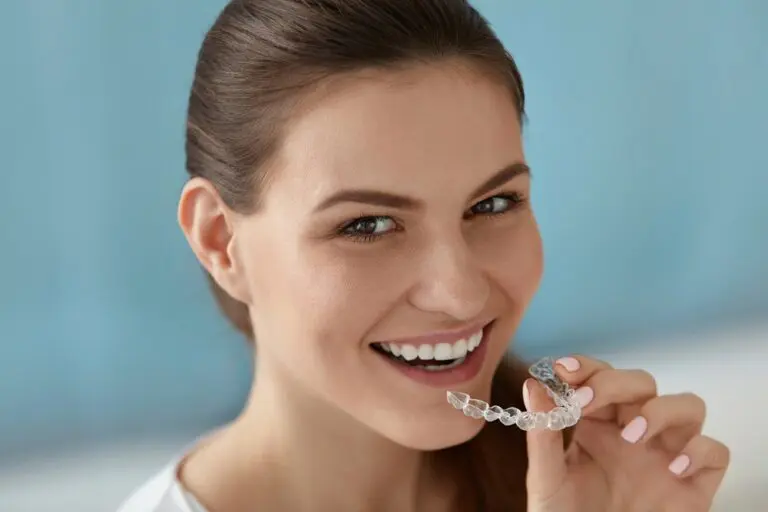
Clear Aligners (Including Invisalign)
Clear aligners use a series of removable trays to move teeth gradually. They are nearly invisible and comfortable. However, they require 20–22 hours of wear daily. Patient commitment directly affects treatment duration and outcomes.
Your orthodontist will guide you in choosing the best option based on your alignment issues, bite problems, and lifestyle.
Benefits of Braces Beyond Straight Teeth
Braces do more than improve your smile. They support oral health and boost confidence. They also help create a healthier bite for long-term comfort.
1. Better Oral Hygiene
Straight teeth are easier to brush and floss. This lowers your risk of plaque, cavities, and gum disease. Healthy gums and teeth are easier to maintain.
2. Increased Confidence
A straight, healthy smile boosts your confidence. It can make you feel more comfortable at school, work, and socially. Feeling good about your smile can improve your overall self-esteem.
3. Improved Bite Function
Braces correct overbites, underbites, and crossbites. Proper bite alignment improves chewing, speaking, and long-term jaw health. Treating malocclusion also helps prevent jaw strain.
The Braces Treatment Process: Stages
If you are new to orthodontic care, here is what to expect from start to finish:
1. Consultation and Examination
Your journey begins with a full exam at Lenius Orthodontics, where the orthodontist will check your teeth alignment and bite, take X-rays, photos, or digital scans, make a diagnosis, and design a personalized treatment plan. This initial consultation helps set clear expectations for your treatment timeline and goals.
2. Getting Braces Placed
This is the day your treatment truly begins, and the team will walk you through each step. Once your plan is ready, your braces or aligners are applied. This appointment usually takes 1–2 hours. You may feel mild pressure, but it is not painful. Most patients get used to the new feel in just a few days.
3. Regular Appointments and Adjustments
You will return every 4–8 weeks for adjustment appointments, where the orthodontist will check your progress, adjust your wires or aligners, monitor tooth movement, and guide your treatment toward your goals. These regular progress checks are essential for keeping your treatment on schedule.
4. Braces Removal
Once teeth are properly aligned, braces are removed. This process is quick and painless. The next stage is the retention phase.
Retainers: Keeping Your Teeth in Place
After braces, retainers protect your new smile. Without them, teeth can shift back, undoing progress.
Types of Retainers
- Removable retainers: Easy to remove for eating and brushing.
- Fixed retainers: Wires bonded behind teeth for constant support.
Your orthodontist will help you choose the right retainer for your case and lifestyle. Top braces treatments by Dr. Viecilli at Limestone Hills Orthodontics in Austin, TX, show that wearing your retainer is just as important as getting your braces off.
Braces Treatment Timeline: Average Duration
On average, braces treatment lasts 18–24 months. Severe misalignment, bite issues, or complex cases may take closer to three years. Age, bone structure, jaw development, and patient compliance are all variables that affect treatment duration.
Cost of Braces in Overland Park, KS
Brace costs range from $3,000 to $7,000, depending on:
- Type of braces
- Complexity of the case
- Length of treatment
- Materials and technology
Metal braces are usually the most affordable. Ceramic braces and clear aligners like Invisalign may cost more. A consultation at Lenius Orthodontics provides an exact estimate. The team will explain all treatment options, expected outcomes, and financing plans.
Flexible Payment Options
Lenius Orthodontics wants every patient to achieve a healthy smile, and their office offers flexible payment plans, support for most dental insurance plans, and the option to use FSA or HSA funds. Their staff can help you choose a plan that fits your budget while keeping your treatment on schedule.
Why Choose Lenius Orthodontics?
- Experienced Orthodontists: The team has years of experience handling simple and complex cases for children, teens, and adults.
- Modern Technology: Digital scans, 3D imaging, and computer-guided treatment plans help ensure accurate results. These tools make treatment faster and more precise. You get a clearer picture of your progress at every step.
- Comfortable Office: The Overland Park office is welcoming and patient-friendly. The staff explains every step and answers questions clearly. They work to make every visit smooth and stress-free.
Tips for a Smooth Braces Treatment
- Brush and floss daily to protect teeth and gums
- Wear rubber bands or aligners as directed
- Avoid sticky, sugary, or hard foods
- Attend all appointments for adjustments
- Report any broken brackets or issues promptly
Following these tips helps reduce treatment time and supports better results.

Start Your Smile Journey in Overland Park, KS
If you’re ready to improve your smile, contact Lenius Orthodontics in Overland Park. The team provides a full examination, a clear treatment plan, and a detailed cost breakdown. Don’t let alignment issues, bite problems, or crowding hold you back. Begin your braces treatment today and enjoy the confidence of a healthy, straight smile.
About the Authors
Dr. Jeffrey Lenius – Orthodontist in Overland Park, KS
Dr. Rodrigo Viecilli – Orthodontist in Austin, TX
Frequently Asked Questions
How soon after braces can I eat?
You can eat right after getting braces, but it’s best to start with soft foods. Your teeth may feel sore for a few days, so foods like yogurt, soup, pasta, and smoothies are easier to enjoy. Once the soreness fades, you can return to most foods, just avoid anything hard, sticky, or chewy.
Do braces hurt on day 2?
Yes, some soreness is common on day 2. Your teeth are still adjusting to the pressure from the braces. The discomfort is usually mild and lasts only a few days. Soft foods, warm saltwater rinses, and over-the-counter pain relief can help.
What disqualifies you from getting braces?
Most people can get braces, but some issues may delay treatment. Severe gum disease, untreated cavities, or poor oral hygiene can disqualify you until they are fixed. In rare cases, certain jaw problems or health conditions may require a different type of treatment.