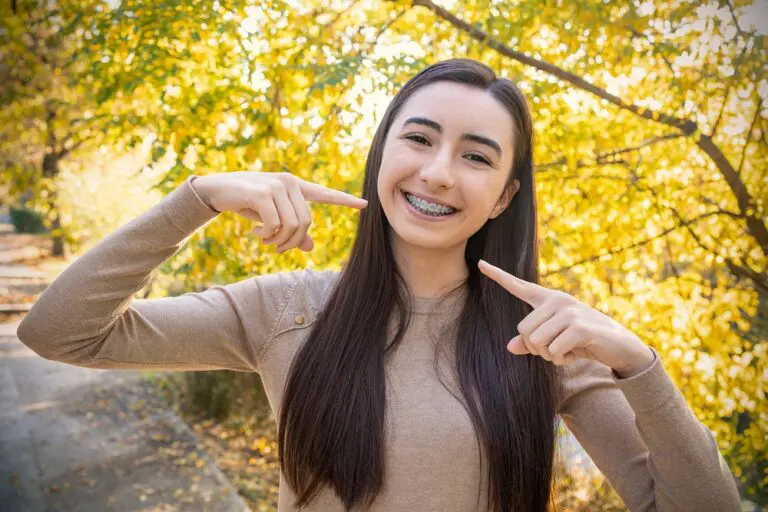

Are you wondering about the differences between overbite vs underbite in Overland Park, KS? An overbite is when your upper teeth stick out a bit more than your lower teeth, kind of like a cute bunny rabbit. On the flip side, an underbite is when your lower teeth are the ones taking the spotlight, jutting out in front of your upper teeth. They can affect more than just your looks; issues with jaw alignment can lead to trouble with eating, speaking, and how your jaw functions.
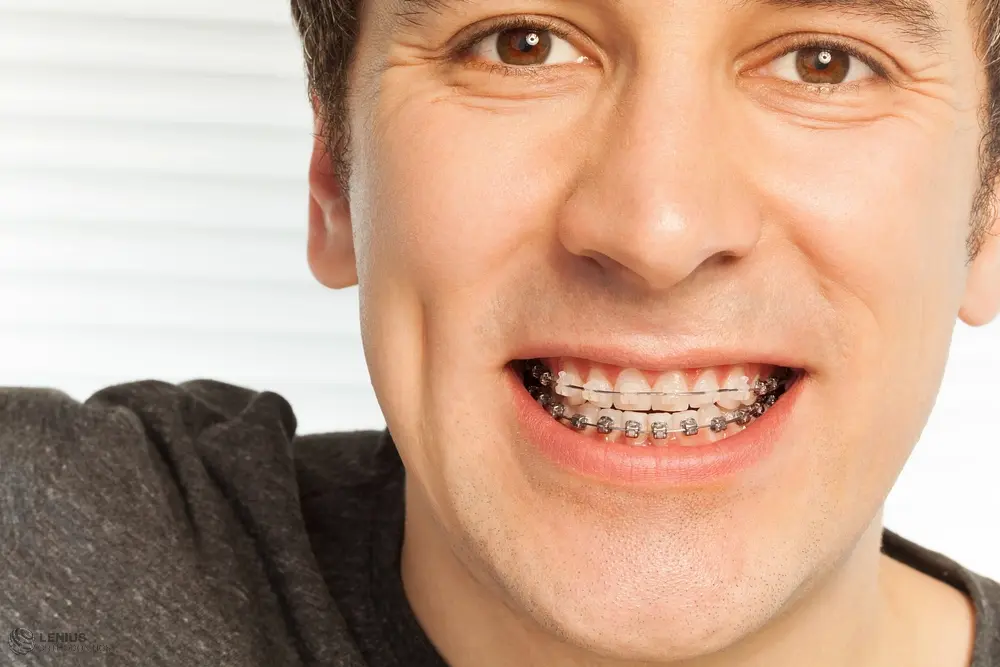
What Are Overbites and Underbites?
An overbite happens when your upper teeth stick out too far beyond your lower teeth. Meanwhile, an underbite occurs when your lower teeth sit in front of your upper teeth. Both bite problems, if left untreated, can cause difficulties with chewing, speaking, and even your facial symmetry. According to Dr. Annika Freelove, a highly recommended pediatric dentist in Sammamish, WA, early checks and treatment can help kids avoid bigger troubles as they grow.
What Causes Overbites and Underbites?
Several factors can cause overbites and underbites:
- Childhood Habits
Habits like thumb-sucking, extensive pacifier use, or tongue thrusting can push teeth into unnatural positions, leading to bite problems over time.
- Genetics
Sometimes, an inherited uneven jaw structure or unusual growth patterns contribute to bite misalignment. These traits, like malocclusion (crooked teeth), can run in families.
- Jaw Growth and Diet
Diets low in crunchy foods may slow the development of strong chewing muscles and proper jaw growth. Chewing harder foods, such as nuts or raw vegetables, helps jaws develop properly.
- Delayed Diagnosis
Skipping early orthodontic evaluations may allow minor misalignment issues to worsen as a child develops. Regular check-ups, early x-rays, and evaluations can catch these issues early and reduce the chance of severe bite problems later.
Problems Caused by Bite Misalignment
Bite misalignment may cause more than just cosmetic concerns. Common problems include:
- Jaw Pain: Misaligned teeth and jaws place extra strain on your jaw joints, leading to pain, tightness, and even TMJ disorders.
- Chewing Trouble: Uneven bite pressure makes chewing harder and can interfere with proper digestion.
- Speech Problems: Misaligned teeth may limit tongue movement and create difficulties in pronouncing certain sounds like “s” or “th.”
- Tooth Wear: Uneven pressure on teeth can wear down enamel, making them prone to cracking, cavities, or sensitivity.
- Breathing Issues: A severe underbite or jaw misalignment can restrict airflow, causing snoring or sleep apnea.
Bite Treatments at Lenius Orthodontics
Here are the top treatment options:
Braces
Traditional braces remain one of the most effective solutions for improving teeth alignment and correcting bite problems. Braces use wired brackets and elastic bands to gently move teeth over time, treating even severe bite issues.
Clear Aligners (Invisalign)
Clear aligners, such as Invisalign, are a great option for mild to moderate bite problems. They are removable, nearly invisible, and easy to care for, making them a popular choice for patients who prefer a more discreet treatment.
Orthodontic Appliances
Devices like jaw expanders, bite plates, or headgear can guide proper jaw development and address bite problems early, especially in children. These tools prevent the need for jaw surgeries later in life while promoting better jaw alignment during growth years.
Jaw Surgery
For severe overbites or underbites, jaw surgery may be necessary to reposition the bones. Orthognathic surgery helps align the jaws and restores both function and aesthetics. Following surgery, braces or aligners refine tooth alignment for the final outcome.
The Benefits of Fixing Bite Problems
Correcting bite problems offers multiple advantages, including:
- Better Chewing and Speech
Teeth that align properly help you chew food and speak more clearly. When your bite fits right, it’s easier to break down food and talk without effort. This helps you enjoy meals and feel more confident when speaking.
- Reduced Pain or Strain
Correcting bite tensions eases strain on joints, reducing TMJ pain and headaches. As Dr. Blake Tollison, a professional orthodontist in Greenville, SC, explains, addressing bite misalignment early can significantly lower the likelihood of developing chronic pain and structural jaw issues.
- Fewer Dental Problems
Fixing bite issues protects teeth from uneven wear, cavities, and sensitivity. It also lowers the chance of chipped or broken teeth. With a balanced bite, your teeth last longer and stay stronger.
- Improved Appearance
A well-aligned smile enhances facial symmetry and boosts confidence. It can make your face look more balanced and natural. Feeling good about your smile can also help you feel happier and more outgoing.
- Easier Dental Hygiene
Aligned teeth are simpler to brush and floss, making it easier to keep up good dental hygiene. Food and plaque don’t get stuck as easily between straight teeth. This helps prevent gum disease and keeps your breath fresh.
Cost of Treating Bite Issues
Costs for overbite or underbite correction vary based on the severity of the problem and the treatment type. Here’s a general guide:
- Braces or Aligners: Mild misalignment is usually treated with braces or aligners, costing between $3,500 and $7,500.
- Jaw Surgery: For severe issues, surgery can increase costs significantly, although the results are long-lasting.
At Lenius Orthodontics, we work with insurance providers and offer financing options to simplify payments for families.

Tips for After-Treatment Care
When your orthodontic appliances come off, maintaining your results is essential. Follow these tips:
Wear Your Retainer
Retainers are key to keeping your teeth in place after braces or aligners are removed. Use them exactly as your orthodontist recommends to avoid tooth shifting.
Practice Good Oral Hygiene
Brush and floss daily to keep teeth and gums healthy. Avoid chewing on hard objects like pens or ice cubes to protect your teeth against cracks or chips. Regular dental visits are also a must to ensure long-term success.
Why Choose Lenius Orthodontics?
At Lenius Orthodontics, we provide advanced, personalized patient care that families in Overland Park trust. Using modern tools like 3D imaging and bite analysis, we create precise, custom treatment plans. Our experienced team makes care accessible with flexible payment options and expertise in handling even the most complex bite cases.
Start Your Bite Correction Journey
Don’t let overbites, underbites, or crossbites affect your confidence or oral health. At Lenius Orthodontics in Overland Park, KS, we provide treatments to meet your specific needs. Whether braces, aligners, or jaw surgery, our experts will guide you every step of the way. Schedule your consultation and take the first step toward a healthier, more confident smile!
About The Authors
Dr. Jeffrey Lenius – Orthodontist in Overland Park, KS
Dr. Blake Tollison – Orthodontist in Greenville, SC
Frequently Asked Questions
What age is too late to fix an overbite?
It’s never too late to fix an overbite! While it’s often easier to treat one during childhood or the teen years, adults can still get great results too. Whether you’re 20, 40, or even 60, orthodontic care can help align your teeth and improve your bite. Braces, clear aligners, or other treatments can all work depending on your needs.
Can you fix an overbite completely?
Yes, in most cases, an overbite can be fully fixed! The best treatment depends on how serious the overbite is. Your dentist or orthodontist might suggest braces, clear aligners, or sometimes surgery for more severe cases. It can take time and patience, but the results are worth it.
At what age should I fix an underbite?
It really depends on each person. For kids, starting treatment around ages 7–10 can help since their jaws are still growing. But teens and adults can fix underbites. The best thing to do is visit an orthodontist, who can look at your bite and recommend the right time to start. Whether you’re young or older, it’s never too late to improve your smile and your bite!