

Children’s Orthodontist Overland Park KS

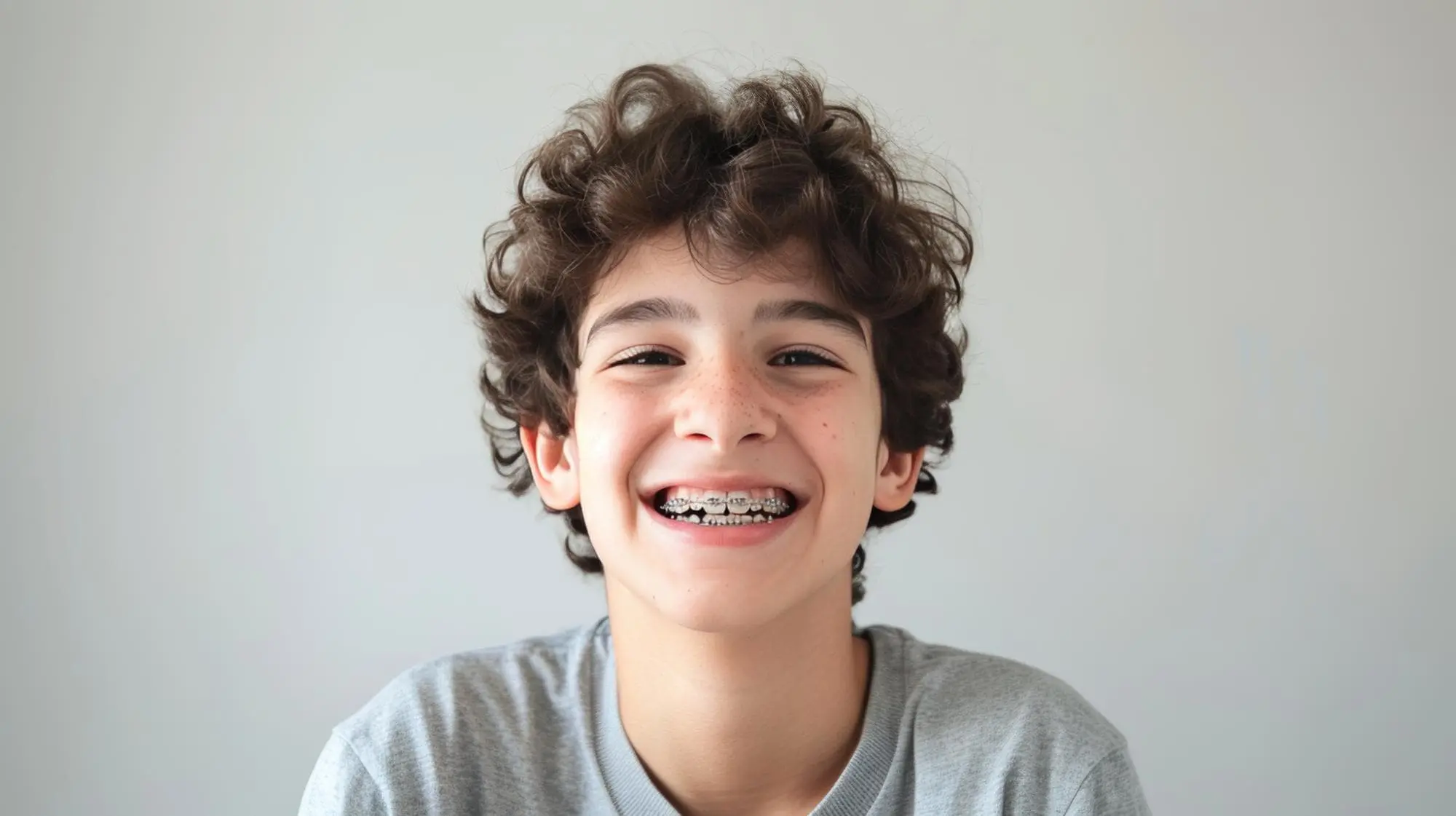
A smiling boy with curly hair and braces, in a gray shirt, represent best Children's Orthodontist at Lenius Orthodontics in Overland Park, KS, on a light background.
A smiling young person with braces and glasses wears a pink sweater, represent top-rated Children’s Orthodontists at Lenius Orthodontics in Overland Park, KS.

Give Your Child a Lifetime of Smiles

Your child’s dental and jaw alignment are key to ensuring a confident, healthy smile that lasts for years. While the right time for orthodontic care can vary, Dr. Jeffrey Lenius, in line with the American Association of Orthodontists, suggests scheduling the first checkup for your child around the age of seven.

What is Early Treatment?

Starting orthodontic care early at Lenius Orthodontics can help address or even prevent bigger problems before they develop. This proactive approach can make treatments shorter, simpler, and more cost-effective in the long run. In some cases, Dr. Jeffrey Lenius achieves results during early treatment that would be much harder to obtain once a child’s jaw and face are fully developed.

When is the Best Time for Treatment?

Experts recommend bringing your child in for an initial orthodontic consultation at around age 7. While the exact timing for braces varies, most orthodontic treatments in Overland Park, begin between the ages of 9 and 14. Certain issues, like underbites, are easier to correct when addressed early, sometimes as soon as age 7.

Role of a Children’s Orthodontist

A children’s orthodontist is a specialist in fixing misaligned teeth and jaws in kids from infancy to their teenage years. Unlike general dentists who handle a broader range of oral health issues, orthodontists focus on straightening teeth and aligning jaws. Using tools like clear braces, metal braces, retainers, and other orthodontic appliances, they guide dental growth and correct alignment.

Importance of Early Orthodontic Intervention

Early orthodontic treatment, or interceptive orthodontics, addresses dental concerns at an initial stage to prevent more severe complications down the line. Benefits include:

Preventing severe dental issues

A bright, confident smile leaves a great impression and sets up healthy habits for the future.

Improving appearance and confidence

Early treatment saves time, reduces discomfort, and can lower care costs.

Enhancing overall oral health

Straightened teeth are easier to brush and floss, lowering the risk of gum disease and tooth decay.

Benefits of Children’s
Orthodontic Treatment

Oral health is vital for overall health and well-being. It’s not merely about a beautiful smile, but also maintaining a healthy mouth free from diseases and other problems. This guide will provide you with valuable insights on improving your oral health and hygiene.

Improved Oral Health and Hygiene

Orthodontic care is crucial for overall health, promoting a healthy, disease-free mouth. Key practices include regular brushing, flossing, and dental appointments.

Enhanced Speech Development

Properly aligned teeth help with pronunciation and speaking skills. Regular dental visits, good oral hygiene, and a balanced diet all support better speech development.

Prevention of Future Dental Issues

Good oral care keeps problems like cavities and gum disease at bay. Preventive methods include brushing at least twice a day, flossing, limiting sugary foods, and scheduling regular cleanings.

Boosted Confidence and Self-Esteem

A healthy, bright smile boosts self-assurance and creates a favorable impact. Keeping it that way requires good oral care, regular dental check-ups, and a balanced diet.

Understanding Children’s 

Orthodontic Treatment

Orthodontic devices are specialized tools used by orthodontists to correct teeth and jaw alignment issues. Each type of device aims to resolve specific dental concerns and promote optimal oral health. Below are some of the most widely used orthodontic devices:

Braces

Braces are made of brackets that are attached to the teeth and connected by archwires.

Aligners

Transparent, custom-made plastic trays that fit snugly over the teeth.

Retainers

Retainers are worn after active orthodontic treatment, like braces or aligners.

Space maintainers

These are used if a child loses a baby tooth early.

Importance of Early Evaluation

The American Association of Orthodontists recommends that all children have an initial evaluation by age seven. Detecting issues like overcrowding or bite problems early on can simplify future treatment and help avoid complications.
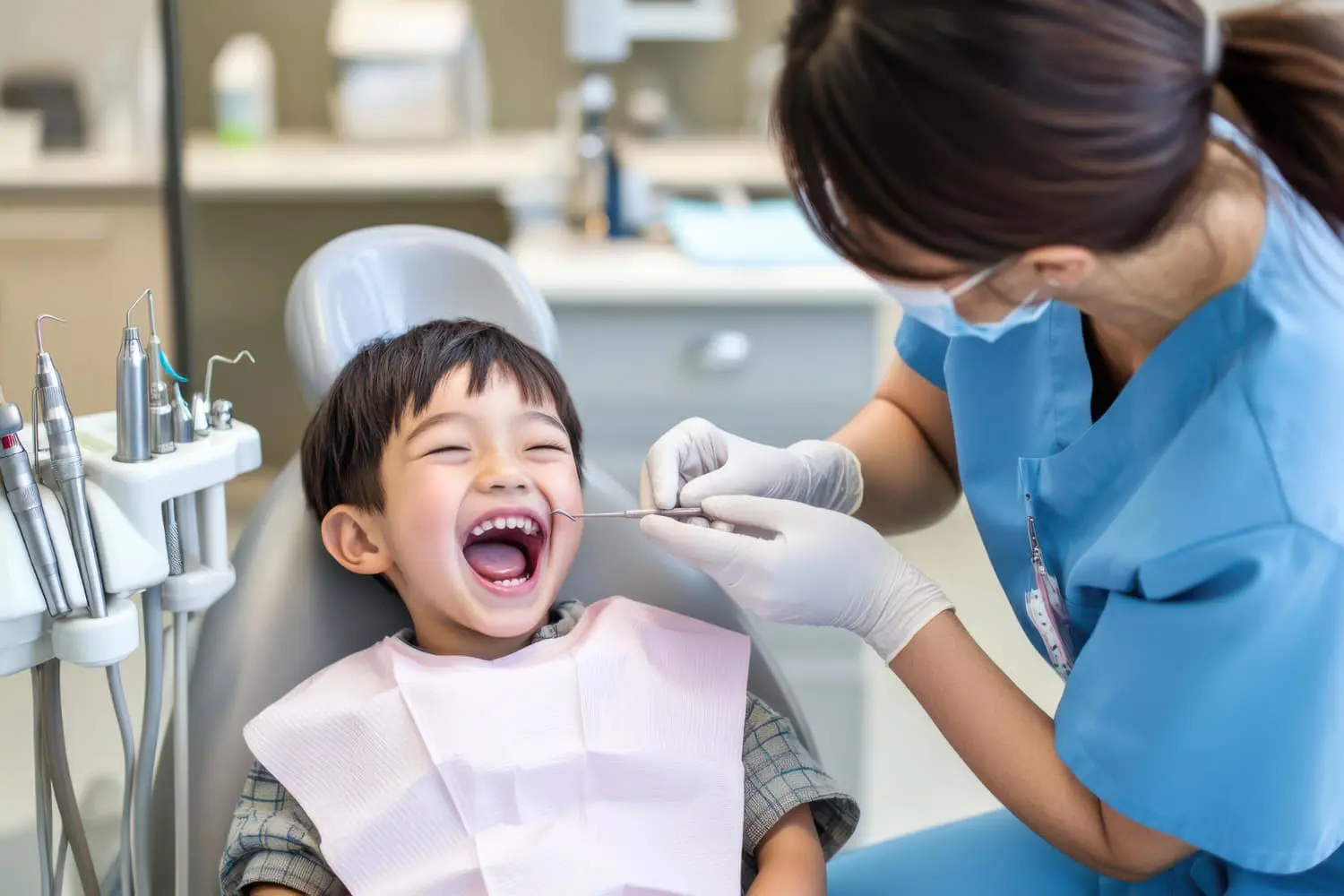
At Lenius Orthodontics in Overland Park, KS, a young child smiles in a dental chair as a children orthodontist examines his teeth represent importance of early orthodontic intervention.

Treatment Process

Consultation

Includes examination, X-rays and impressions.

Appliance Placement

Orthodontic devices are fitted based on the treatment plan.

Follow-ups

Regular adjustments to monitor and ensure progress.

Retention

A retainer is commonly worn post-treatment to preserve the results.
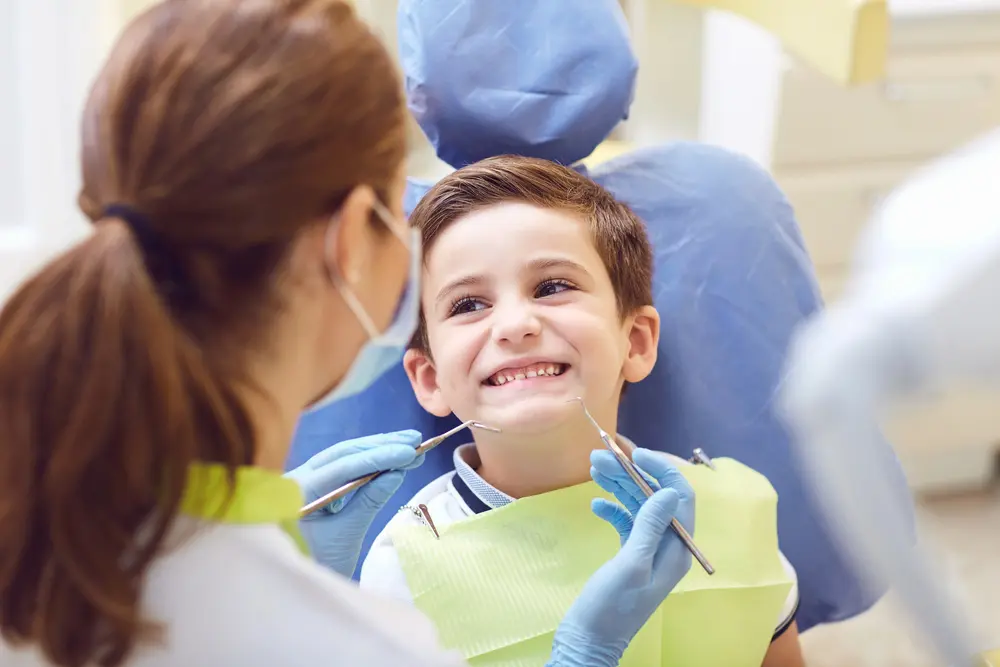
At Lenius Orthodontics in Overland Park, KS, a young boy smiles in the dental chair as a children orthodontist checks his teeth, both in protective gear.

Appointment Duration and Frequency

The duration and frequency of orthodontic appointments can vary depending on the type of appliance used and the severity of the dental issue. Typically, braces need adjustments every four to six weeks, while aligners are generally switched every two weeks. Appointments usually last from 30 to 60 minutes. The overall treatment time can range from six months to three years or more, depending on the individual case.

Common Orthodontic
Issues in Children

At Lenius Orthodontics, we often address these common orthodontic concerns:
A smiling young boy in a white shirt represent overbite, underbite, crossbite and spacing Problems at Lenius Orthodontics in Overland Park, KS holds a pink toothbrush and gives a thumbs up.

Overbite, Underbite, Crossbite and Spacing Problems

Overbite: Upper teeth overlap with the lower teeth excessively, causing speech or chewing problems.
Underbite: Lower teeth protrude beyond upper teeth, leading to chewing problems and jaw pain.
Crossbite: Some upper teeth sit inside lower teeth, leading to uneven wear, gum disease and bone loss.
Spacing Problems: Gaps or overcrowding can hinder chewing, speech and oral hygiene.

Crooked or Misaligned Teeth

Caused by genetics, thumb sucking, or accidents. Misaligned teeth can cause complications with cleaning, increasing the risk of cavities and gum disease.

Crowding or Spacing Issues

Crowding happens when there isn’t enough room for teeth to align properly, making it harder to clean them thoroughly and increasing the likelihood of plaque buildup, which can lead to tooth decay.

Thumb Sucking and Other Oral Habits

Thumb sucking is a common habit in young children; however, when it continues for an extended period, it can lead to misalignment of teeth and structural changes to the roof of the mouth.

Orthodontic Treatment Options for Children
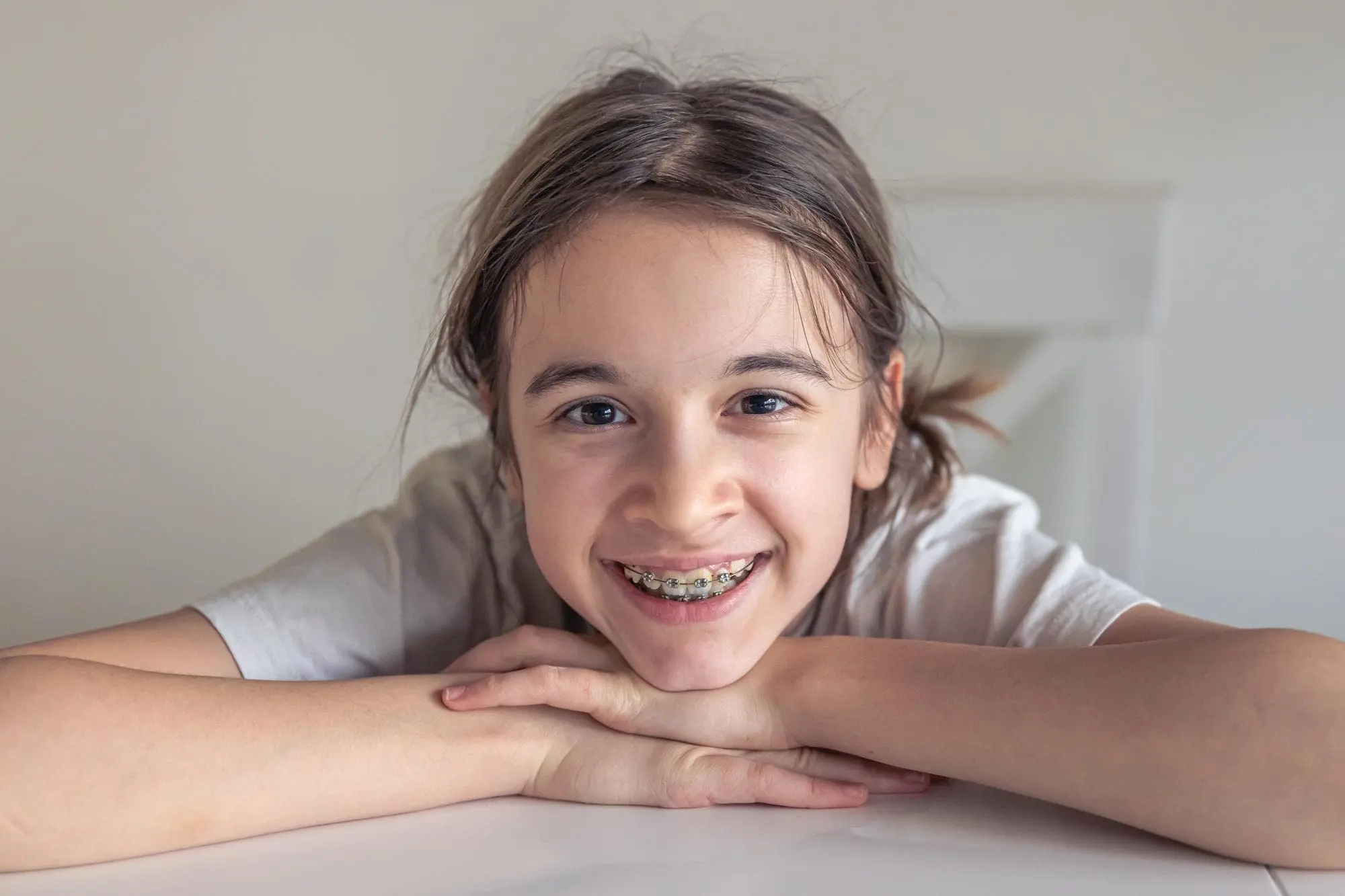
Orthodontic devices are specialized tools used by dentists and orthodontists to correct the alignment and spacing of teeth and jaws. These devices come in various forms, each designed to address specific dental issues. This guide will explore four widely used orthodontic devices: metal braces, invisible aligners, functional appliances and retainers.
A smiling child with braces from children's orthodontist at Lenius Orthodontics in Overland Park, KS.

Traditional Braces

Traditional braces have been essential in orthodontics for years and remain the most common type of orthodontic device.

Components

Brackets, archwires and ligature elastics.

Benefits

Highly effective for major misalignments, long-lasting and ideal for addressing various dental concerns.

A smiling girl with long blonde hair points to clear aligners outdoors, from children orthodontist at Lenius Orthodontics in Overland Park, KS.

Clear Aligners

Clear aligners are a modern and discreet alternative to traditional braces, designed to gradually and effectively straighten teeth.

How They Work

Apply steady pressure to shift teeth gradually, changing to new aligners every two weeks.

Advantages

Subtle, easy to remove for meals and cleaning and ideal for maintaining oral hygiene.
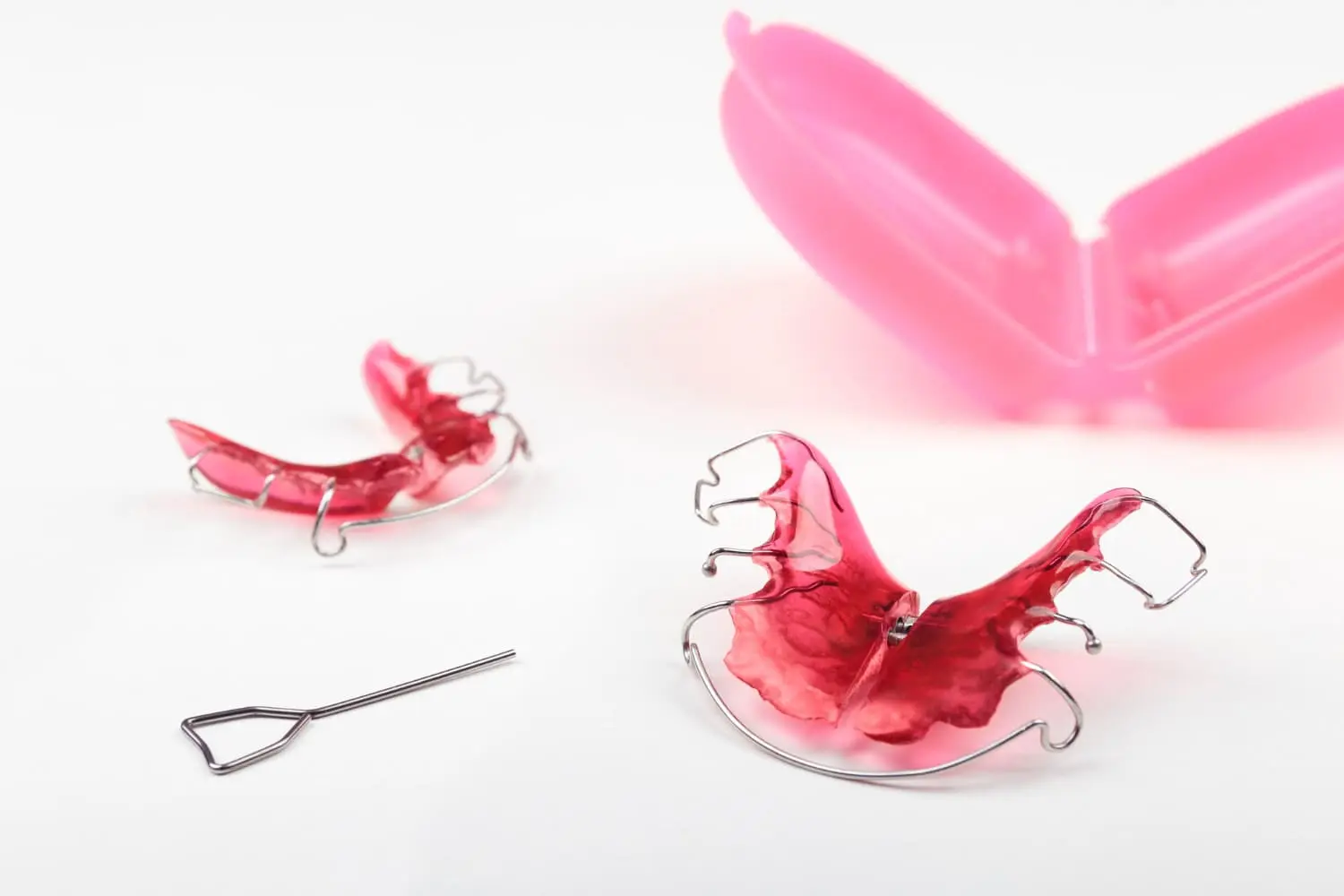
Pink orthodontic retainers, a key, and an open case are displayed, represent functional appliances Lenius Orthodontics in Overland Park, KS.

Functional Appliances

Designed to address jaw growth issues, these appliances are usually recommended for children and teens.

Types

Twin Block, Bionator and Herbst appliances.

Benefits

Enhances jaw functionality and facial appearance while reducing the risk of future dental issues.

Smiling, a young girl with long blonde hair shows off colorful retainers from children orthodontist at Lenius Orthodontics in Overland Park, KS.

Retainers

Retainers are crucial for maintaining the results of orthodontic treatment, as they prevent teeth from shifting back to their original positions over time.

Types

Removable (can be taken out for cleaning) and fixed (permanently bonded).

Benefits

Crucial for preserving the outcomes of orthodontic care and ensuring a lasting smile.
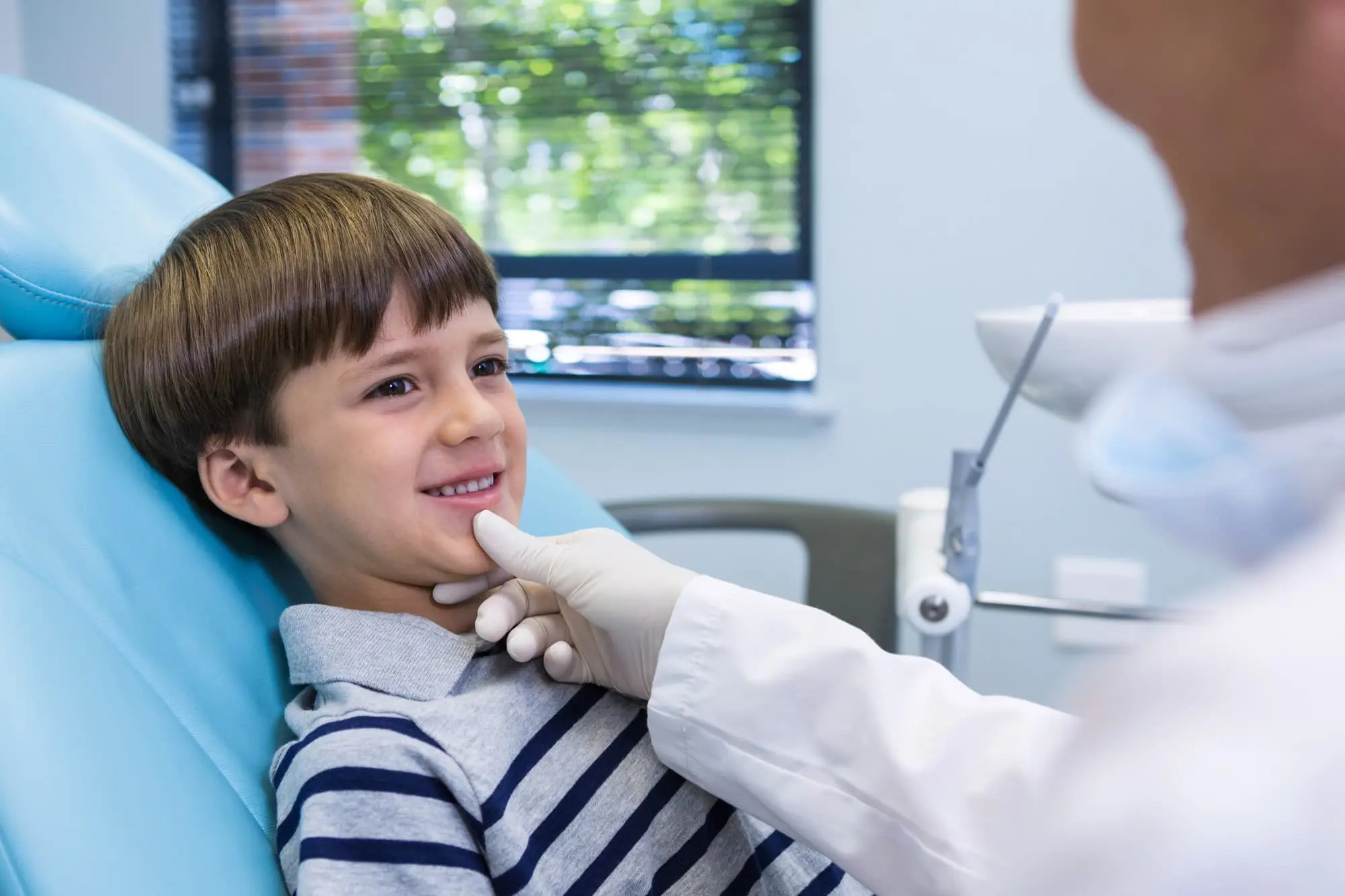
A young boy smiles in a dental chair as a gloved children orthodontist examines him show importance of early evaluation dental care at Lenius Orthodontics in Overland Park, KS.

Importance of Early Orthodontic Intervention

Interceptive orthodontics is a proactive strategy that focuses on addressing dental issues while a child’s jaw is still growing, thus preventing more serious concerns in the future. The benefits of early intervention include stopping serious orthodontic problems from developing, enhancing appearance, and boosting oral health. For kids aged 6-10, it’s a great time to tackle issues like crossbites and crowding, as their jaw is still in development. Between ages 11-15, most children have their permanent teeth, making this a great opportunity for braces to fix alignment concerns.

Finding the Right Pediatric Orthodontist

When choosing an orthodontist for your child, it’s essential to evaluate their qualifications and expertise to ensure they are the right fit for your family’s needs. Seek an orthodontist with specialized training in orthodontics and a strong background in treating children. Additionally, consider practical factors like the clinic’s location, flexible hours, and treatment costs, including payment plans or insurance acceptance. Spending time to select the best orthodontist guarantees your child receives outstanding care and a positive, comfortable experience overall.
A pediatric orthodontist at Lenius Orthodontics in Overland Park, KS gives a high-five to a young boy in the dental chair, representing the ideal connection between patient, parent, and the right orthodontic care.

Conclusion

Lenius Orthodontics  emphasizes the significance of early orthodontic evaluations for children, recommending the first visit by age seven. Early intervention helps identify and address dental concerns like overbite, underbite, or crowding, reducing the risk of more severe issues later on. Through personalized treatments such as braces or retainers, children can achieve improved oral health, enhanced self-confidence, and simpler orthodontic care as they grow. Dr. Jeffrey Lenius offers expert care in a warm and child-friendly environment, ensuring a positive experience for every patient.

FAQ

What age should a child go to orthodontist?

The American Association of Orthodontists recommends that children visit an orthodontist by the age of seven. This early evaluation helps identify problems such as crowding, misaligned bites, or jaw growth issues. Starting early doesn’t always mean immediate treatment, but it allows the orthodontist to plan ahead and monitor your child’s development.

Can a 6 year old see an orthodontist?

Absolutely! A 6-year-old can certainly visit an orthodontist. In fact, the American Association of Orthodontists advises that children should have their first check-up with an orthodontist no later than age seven. This early check-up can help spot any possible issues with jaw growth and developing teeth. So, if you’re thinking of taking your child for an orthodontic consultation, go right ahead! It’s a fantastic step towards ensuring a healthy, beautiful smile for your child.

How painful are braces for kids?

It’s perfectly natural for children to feel some mild soreness or discomfort when they first get braces or after adjustments. This sensation occurs because the braces are working to shift their teeth into proper alignment. The good news is that the discomfort typically fades within a few days and can often be relieved with over-the-counter pain relievers. Before long, kids usually adjust to their braces and barely notice them. While braces may cause temporary discomfort, it’s manageable and well worth it for a healthier smile.